
Balancing Impellers for Smoother Centrifugal Pump Operation
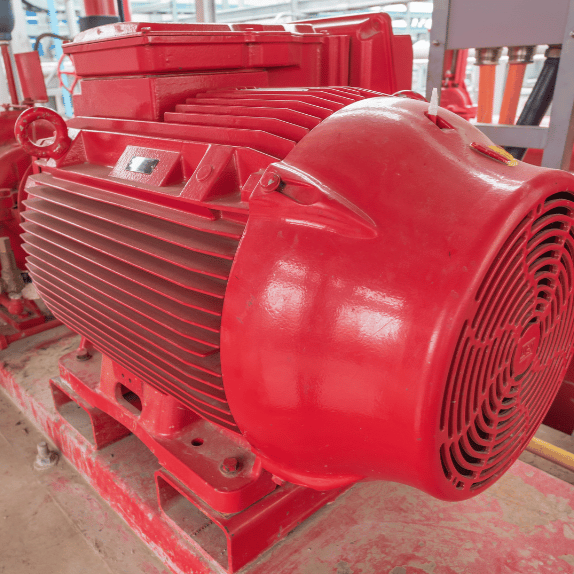
The impeller, often described as the heart of the pump, needs to spin smoothly and precisely.
When centrifugal pumps start humming louder than your morning coffee grinder or vibrating like a toddler hopped up on sugar, chances are the impeller isn’t quite balanced. The impeller, often described as the heart of the pump, needs to spin smoothly and precisely. Otherwise, the whole pump system suffers. Imbalance leads to vibrations, inefficiency, accelerated wear, and potential pump failure. Nobody wants that headache.
Why Impeller Balance Matters
Imagine trying to twirl a basketball on your finger when one side is slightly heavier than the other. It wobbles, stutters, and eventually falls. The same principle applies inside your pump. The impeller blades push fluid through the system, and if one side is heavier or distorted, the spin wobbles, shaking the entire setup. That vibration transfers to the motor shaft, bearings, and seals — none of which appreciate the stress.
Continuous vibration not only disrupts fluid flow but also causes bearings to wear unevenly, seals to leak, and shafts to bend or crack. The pump consumes more energy as the motor fights these extra forces, driving up operating costs. Plus, the noise pollution can turn a quiet pump room into a small rock concert.
What Causes Impellers to Become Unbalanced?
Several sneaky culprits can throw the impeller balance out of whack. Over time, corrosion and erosion silently nibble away at the blades. Debris may cling unevenly to surfaces, adding extra weight where it shouldn’t. Even small deposits of minerals or dirt can lead to a noticeable imbalance.
Damage from rocks, sticks, or metal shards entering the pump during operation can chip or bend the blades. Manufacturing defects are rare but can lurk unnoticed until the impeller reaches high speeds. Metal fatigue sets in as the pump ages, subtly changing blade thickness or shape.
If the pump has endured rough handling during maintenance or installation, the impeller may suffer slight bends or misalignments that upset balance. Regular use wears down surfaces, too. A little neglect here and there, combined with the natural wear of fluid dynamics, often causes trouble down the road.
How to Detect Impeller Imbalance Early
Vibration is the loudest and most obvious symptom of imbalance. If the pump suddenly starts shaking or buzzing more than usual, an unbalanced impeller may be the culprit. Pay attention to changes in sound—rattles, rattling, or a low-frequency hum can signal mechanical distress.
Sudden drops in flow rate or fluctuating pressure hint that the impeller isn’t spinning efficiently. Rising electric bills without increased output often mean your pump is working overtime to compensate for mechanical inefficiency.
Watch for signs of premature wear on bearings and seals. Frequent failures of these components usually accompany impeller imbalance. Even the shaft sleeve might show uneven wear patterns.
For those lucky enough to have vibration monitoring instruments, look for spikes in vibration amplitude or frequency shifts indicating new mechanical stresses.
The Science Behind Balancing Impellers
Balancing an impeller isn’t just eyeballing it on a spinning wheel. It requires a blend of precise measurement, engineering know-how, and careful craftsmanship. Technicians use dynamic balancing machines that spin the impeller at operating speeds and detect imbalances by measuring vibrations and forces.
The machine pinpoints the location and severity of the imbalance, guiding technicians on where to remove or add material. Rather than mindlessly chopping off large chunks, tiny amounts are ground away, or counterweights are added for precise balance.
Dynamic balancing simulates real operating conditions, accounting for the complex forces at work when the impeller spins under load. Static balancing, performed at rest, rarely suffices for high-speed pumps.
The goal: reduce vibration amplitude to levels specified by the manufacturer’s guidelines, often resulting in imperceptible wobble during operation. Achieving that balance keeps the pump running quietly, efficiently, and with minimal wear.
Why Leave Impeller Balancing to the Pros?
Attempting to balance impellers without the right tools and experience can do more harm than good. Missteps might lead to removing too much material or placing weights incorrectly, which can exacerbate vibration rather than calm it.
Disassembling the pump to remove the impeller requires careful handling to avoid damaging fragile parts. Precision torque and alignment during reassembly are crucial. Even a tiny misalignment can recreate vibration problems.
Professionals inspect surrounding components, such as bearings, seals, and shafts, during balancing service. They spot hidden issues that contribute to imbalance, making their work comprehensive rather than piecemeal.
Their experience helps spot subtle clues about underlying mechanical problems and prevents repeated failures after balancing. The peace of mind that a well-trained technician provides is worth every penny.
Additional Benefits of Balanced Impellers
Balanced impellers reduce noise pollution. Quiet pump rooms make a huge difference for operators who spend hours in the vicinity. Reduced vibration means less mechanical stress, extending the lifespan of bearings and seals. That means fewer emergency repairs and longer maintenance intervals.
Energy efficiency improves. Motors run cooler and consume less electricity when not fighting wobbling impellers. For facilities running multiple pumps 24/7, those energy savings add up quickly.
Flow rates and pressure stabilize. The pump delivers a steady, predictable output, which supports the entire system’s reliability—whether irrigating fields, supplying factories, or feeding municipal water systems.
Longer service intervals and reduced downtime keep the budget happy. Fewer surprise breakdowns mean fewer disruptions to operations.
When to Schedule Impeller Balancing
Regular pump inspections often reveal imbalance warning signs before things get out of hand. Scheduling balancing at the first signs of vibration prevents escalating damage.
After any impeller repair or replacement, balancing becomes necessary to maintain smooth operation. Even small tweaks during repairs can throw off the balance.
Sudden noise, vibration, or performance drops demand immediate attention. Acting quickly helps avoid cascading failures that lead to costly downtime.
Many facilities incorporate vibration monitoring systems that alert maintenance teams to changes in pump behavior. A quick call to professionals for balancing can save a lot of headaches.
How to Support Long-Term Impeller Balance
Proper pump installation matters more than many realize. Correct shaft alignment and securely mounted impellers minimize wobble. Loose bolts or improperly seated parts will negate any balancing efforts.
Avoiding debris intake by maintaining clean strainers and filters keeps impellers free of uneven buildup. Debris sticking to one side instantly changes the weight distribution.
Scheduled professional inspections catch early corrosion, erosion, or damage. Fixing minor blade chips or corrosion spots early keeps the imbalance from worsening.
Lubricating bearings and seals on schedule supports smooth rotation. When bearings spin smoothly, they reduce secondary imbalances caused by shaft wobble.
Employing vibration sensors that provide continuous feedback on pump health gives early warnings before imbalance reaches critical levels.
Conclusion
Balanced impellers play a starring role in maintaining reliable, efficient centrifugal pumps. When spinning smoothly, pumps whisper rather than roar, conserve energy, and last longer.
Professional impeller balancing blends precision engineering with hands-on expertise. Spotting imbalance early and acting swiftly transforms noisy, inefficient pumps into reliable workhorses.
If your pump starts sounding like a rock band or shakes your confidence, professional impeller balancing keeps things humming smoothly. With careful balancing, your pump system will perform at its peak—quietly, efficiently, and with a whole lot less drama.
Pump Repair Services has years of experience providing reliable irrigation pump repair and centrifugal pump repair services in Apopka and the surrounding areas. Our extensive industry knowledge and experience allow us to handle any pump-related issues efficiently. 24-hour emergency services available. Call us to book a service and get outstanding service and customer experience.
