
Resolving Airlock Issues in Transfer Pumps
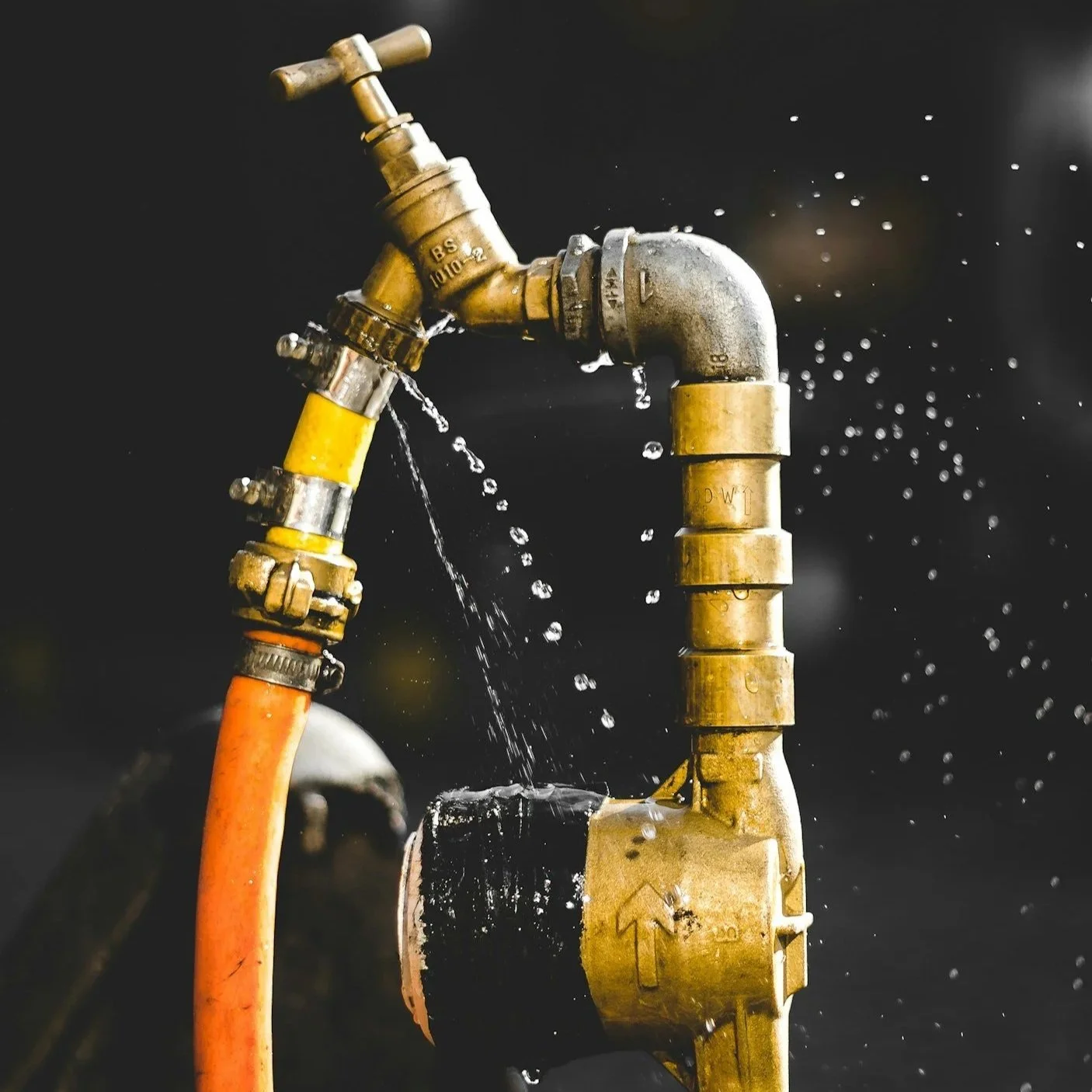
The pump starts to gulp air instead of water, often resulting in sputtering, a loss of pressure, or a complete failure to move fluid.
Transfer pumps play a crucial role in moving water and other fluids efficiently from one location to another. When they work smoothly, life flows easily—showers run hot, irrigation systems hum, and water tanks fill without fuss. However, airlocks can throw a wrench into this smooth operation, causing frustrating interruptions. An airlock occurs when air becomes trapped in the pump or its piping system, blocking the flow of water. The pump starts to gulp air instead of water, often resulting in sputtering, a loss of pressure, or a complete failure to move fluid.
Airlocks can seem sneaky since they silently disrupt performance without obvious signs at first. When a pump refuses to prime or struggles to maintain a steady flow, an airlock is a likely culprit. Transfer pump repair specialists approach these problems armed with experience and techniques to identify and clear airlocks, restoring flow and reliability quickly.
Common Causes of Airlocks in Transfer Pumps
Airlocks don’t appear out of nowhere. Several factors set the stage for air to invade a transfer pump system. Leaky suction lines are a prime suspect. Even the smallest hole or loose fitting on the suction side invites air in, breaking the water column and trapping bubbles inside. Poor installation or damaged seals can also contribute to leaks.
Improper pipe layout also increases the risk. High points or loops in the suction line allow air pockets to collect and stall water movement. Long suction lines without proper venting or traps make it easier for air to settle and cause blockages.
Running the pump dry, even briefly, allows air to fill the system. Once air fills the pump casing or pipe, the pump loses its grip on the water and stops pushing. Worn or broken foot valves and check valves can fail to retain water, leading to frequent air intrusion.
Symptoms of Airlock in Transfer Pumps
When airlocks occur, pumps often exhibit distinct behaviors that alert professionals to the problem. A common sign is sputtering or an irregular, choppy flow instead of the usual steady stream. The pump may lose suction or completely stop pumping, leaving hoses or pipes empty even when the pump motor is running.
Pressure gauges show fluctuating or abnormally low readings as the pump struggles to maintain pressure. Some pumps may overheat if they run dry for too long due to insufficient fluid circulation. Homeowners or operators often notice water flow starts well but quickly drops off or stalls entirely.
Professional Assessment and Diagnosis
Diagnosing airlocks requires a trained eye and proper tools. Professionals begin with a thorough inspection of the entire pump and piping setup. Checking suction lines for leaks, loose fittings, or damaged seals ranks high on the checklist. Examining pipe layout helps identify problem spots where air might accumulate.
Technicians test foot valves and check valves to confirm they hold water and prevent backflow. Pump operation is monitored to catch abnormal sounds or pressure drops indicating trapped air. High points in the system require installing air release valves or venting to prevent future issues.
Experienced service providers approach diagnosis systematically, ruling out other potential causes, such as pump impeller damage or electrical problems, before concluding that an airlock is the root cause.
Techniques for Clearing Airlocks
Resolving an airlock is less about brute force and more about finesse. Professional transfer pump repair experts employ several methods depending on the situation and pump type.
One common technique involves manual venting. Opening vent valves or small bleed screws allows trapped air to escape. Professionals carefully control this process to avoid water spillage and protect the pump from damage.
Backflushing, or reversing the flow, can help dislodge stubborn air bubbles trapped in suction lines. This method requires special equipment and expertise to prevent pipe damage or flooding.
Adjusting pipe slope and removing unnecessary loops during repair or installation addresses recurring airlock problems at their source. Installing automatic air release valves or vacuum breakers at strategic locations prevents future air accumulation.
In some cases, priming the pump by filling suction lines with water before starting prevents airlocks entirely. Professionals rely on knowledge of the system’s layout to safely and effectively execute priming procedures.
Why Professional Repair Matters
Attempting to fix airlocks without proper skills can worsen the problem or damage the pump. Airlocks create delicate conditions inside the system where sudden pressure changes or improper venting cause leaks, cavitation, or mechanical wear.
Professional technicians bring the right tools and know-how to diagnose the exact cause, perform safe venting, and make any necessary pipe adjustments or component replacements. Their work saves time, reduces water waste, and extends the pump's lifespan.
A quick fix might seem tempting, but professional repair focuses on long-term reliability, preventing repeated airlocks and minimizing downtime.
Maintenance Tips to Avoid Airlocks
Routine maintenance keeps transfer pumps humming smoothly and free of airlocks. Regular inspection of suction lines and seals detects leaks before they become problems. Checking foot valves and check valves for proper function avoids backflow and air intrusion.
Keeping pipes clean and free of debris prevents air from being trapped and causing blockages. Professionals also recommend reviewing pipe layouts during annual service to spot and correct potential air pockets.
Scheduling periodic professional inspections enables early detection of minor issues before they cause major disruptions. Preventive maintenance extends pump life and protects water flow reliability.
The Role of Technology in Modern Airlock Prevention
Modern transfer pump systems benefit from technological advances that reduce the risk of airlocks. Automated air release valves work silently, venting air as it accumulates without manual intervention. Pressure sensors and flow monitors alert operators to irregularities early, signaling technicians to act before failures occur.
Remote monitoring allows professionals to track pump performance in real time, identifying airlock symptoms even when operators are offsite. Such innovations turn reactive repair into proactive care, keeping water flowing steadily.
Choosing the Right Service Partner
Selecting a professional service provider for transfer pump repair matters as much as the repair itself. Experts who understand local water conditions, pump models, and common causes of airlocks bring valuable insights. Their friendly approach helps translate technical details into clear advice, guiding customers through decisions with humor and clarity.
Responsive teams minimize downtime by arriving promptly and working efficiently. Transparent pricing and honest assessments build trust. Long-term partnerships mean pumps stay well-maintained, preventing airlock headaches year after year.
In the world of transfer pumps, a little trapped air can cause big problems. Professionals know how to listen to the subtle signs and apply precise solutions. Proper diagnosis, skilled venting, thoughtful pipe design, and preventive care combine to keep pumps pumping without a hiccup.
Resolving airlock issues is not just about fixing what’s broken; it’s about creating a system that breathes freely and flows smoothly, making everyday water tasks easier and more reliable for everyone involved.
Pump Repair Services provides residential and commercial well pump repair and transfer pump repair services in Apopka and the surrounding areas. Our team offers prompt and dependable well pump services, the clients can rely on. Expect excellent warranties and top-notch solutions when you choose to work with us. We offer 24-hour emergency service. Call us to learn more.
