Selecting the Right Sediment Filter for Well Water Systems
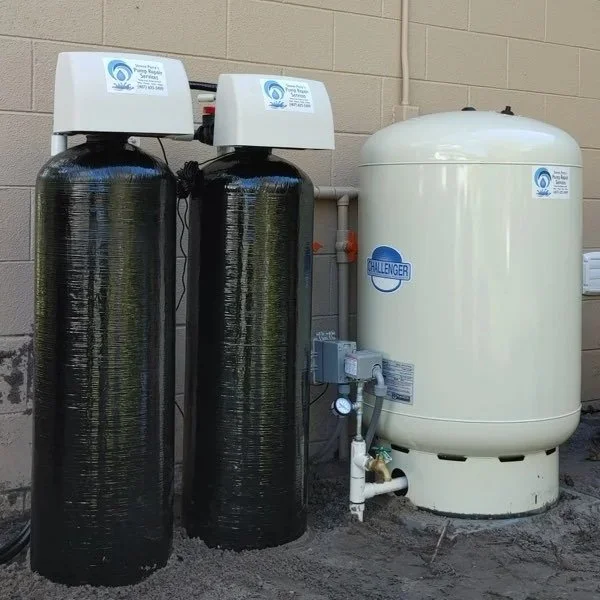
Without a proper filter in place, grit, sand, rust flakes, and mystery particles sneak in and start causing chaos.
Sediment filters may not look like much, but they're the gatekeepers between your well and the rest of your plumbing. Without a proper filter in place, grit, sand, rust flakes, and mystery particles sneak in and start causing chaos. Clogged appliances, discolored water, and early pump retirement all follow in their wake. Choosing the right sediment filter is a bit like matchmaking—it's not about finding the flashiest option, but the one that fits your well system's personality and quirks.
Understanding The Grit Parade
Well water has character, and sometimes that character includes a bit too much sediment. Depending on your geological location and well construction, water might bring along a steady stream of sand, clay, or mineral flakes. Some wells are heavy on iron-rich particles, while others throw in a surprise deposit after every rainfall.
The first step in filter selection starts with knowing what's in the water. Not all sediment is created equal, and size matters here. Fine silt behaves differently from larger grains of sand. Sediment type determines the filter micron rating, housing style, and maintenance frequency that works best.
Micron Ratings And Why They Matter
Micron ratings sound technical, but they're really just a measure of how small a particle the filter can trap. A fifty-micron filter captures large sediment particles, while a five-micron filter acts more like a fine-mesh net. Going too fine too fast can choke flow, especially in systems with limited pressure.
Professionals often recommend starting with a larger micron pre-filter, followed by a finer filter downstream. That two-stage approach catches the bulk of the material early, extending the life of the finer filter and maintaining good pressure. It's not about over-filtering—just pacing the job out across the right tools.
Spin-Down Filters: The First Line Of Defense
Spin-down filters are the bouncers of the well water world. These are mechanical filters that allow heavy sediment to settle to the bottom of a clear chamber. The best part? No filter media to replace. When the chamber fills up, it gets flushed—usually by turning a valve or using an automatic flush setup.
These filters work best for wells with visible sand, grit, or small rocks. They protect downstream cartridge filters and reduce overall maintenance. They're transparent for a reason: so you can see exactly how much gunk your system's dealing with. It's oddly satisfying.
Cartridge Filters: The Workhorse Option
When the sediment is more like silt, clay, or iron particles, cartridge filters step in to shine. These come in pleated, spun polypropylene, and string-wound versions, each with its strengths. Pleated filters offer great surface area and are often washable. String-wound filters can handle higher sediment loads without choking. Spun polypropylene is a solid, all-around choice for general sediment control.
Size also matters. A larger-diameter, longer cartridge holds more sediment and lasts longer. Professionals size the cartridge to match the flow rate and sediment volume, verifying it operates efficiently without frequent clogging.
Filter Housings And Placement Strategy
The best filter in the world can't work its magic without the right housing. Filter housings should match the cartridge size and pressure rating of the well system. Standard ten-inch and twenty-inch housings are common in residential setups, but high-flow systems sometimes need oversized housings to avoid pressure drop.
Where the filter sits in the system matters, too. Placing the sediment filter after the pressure tank, for example, helps prevent pump starvation and extends pump life. It also stabilizes pressure before it reaches the filter, providing a consistent environment for the filter to work in.
Don't forget about accessibility—filters tucked behind water heaters or bolted to joists without clearance turn maintenance into an obstacle course. Easy access is key, especially in systems where sediment buildup happens quickly.
High Sediment Wells Need Extra Strategy
Some wells are sediment overachievers. Maybe the aquifer shifts, or the well casing isn't sealed perfectly. In these cases, a single filter won't cut it. A staged filtration system—spin-down first, followed by one or two cartridge filters—helps manage the load without overwhelming the plumbing.
High sediment volumes also mean more frequent maintenance, so automating the process can save both time and energy. Automatic flush valves, pressure differential gauges, and filter monitoring systems take the guesswork out of maintenance and keep pressure drops from catching you off guard.
Iron And Manganese: The Sneaky Sediment
Not all sediment is gritty. Iron and manganese can float invisibly in water and then oxidize when exposed to air, turning into solid particles that coat plumbing like rust-flavored paint. These metals need filters that can handle both sediment removal and chemical changes.
Filters for iron and manganese typically use catalytic media or oxidizing agents to convert dissolved metals into a solid form before trapping them. It's a specialized process, but well worth it for anyone dealing with red stains in sinks or odd metallic tastes.
When filtration alone isn't enough, professionals often install aeration tanks or chlorination systems ahead of the filter, helping the sediment settle out before it hits the filter stage.
Flow Rate Compatibility
Filters have flow limits. Exceeding them leads to short filter life, pressure drop, and unhappy faucets. A filter rated for five gallons per minute won't stand a chance in a home using twelve. That mismatch leads to frequent clogs and a whole lot of frustration.
Professionals match filter capacity to both peak and average household demand. Bigger doesn't always mean better, but selecting a filter that can withstand actual use makes a huge difference in long-term performance and comfort.
Sediment Filter Maintenance Myths
Sediment filters are not install-and-forget devices. Left unchecked, they clog slowly and silently until one day the shower becomes a drizzle. Scheduled maintenance avoids surprises, especially in sediment-heavy systems.
One common myth is that clear water equals clean filters. Not true. Some sediment builds up inside cartridges without visible discoloration. Flow meters and pressure gauges tell a more honest story. When pressure across the filter drops to ten psi or less, it's time for a change—even if the water looks fine.
Another common mistake? Rinse non-washable filters and return them to service. Most cartridges aren't built for reuse and degrade quickly after exposure. Skimping on replacements leads to worse performance and more frequent issues.
When Upgrades Make Sense
In some cases, switching filter types or upgrading to a staged system makes more sense than wrestling with an underperforming setup. If cartridges clog weekly or pressure drops interrupt daily life, a rethink is in order. Upgrading to larger housings, higher-capacity filters, or smarter filter media improves performance and reduces upkeep.
For systems with fine sediment, membrane filters or multimedia backwashing filters might outperform basic cartridge setups. These options come with more complexity, but they reward that effort with greater longevity and cleaner water.
Why Professionals Make All The Difference
Matching sediment filters to well systems isn't just about reading product labels—it's about interpreting water quality reports, flow data, and system design. Every well is different, and each system has its own quirks, pressure range, and sediment profile.
Professionals bring field-tested experience and tools that pinpoint the right solution. Water testing, system mapping, and performance evaluations lead to filter choices that work from day one and continue to perform long-term. They know when it's time to move from single-stage to multi-stage filtration, or when iron removal becomes a separate step entirely.
Sediment control might not be the flashiest part of a well system, but it's one of the most important. Clean water starts with the right filter—and the right team standing behind it.
Pump Repair Services excels in installing and maintaining quality water treatment systems in Apopka and the surrounding communities to protect the well water quality. Our custom-built systems help improve water quality and lower operating expenses. Whether you need filtration systems, distillation systems, or water softeners, we guarantee correct installation and phenomenal performance. We offer 24/7 emergency service. Call today!
