Custom Well Screen Designs for Specific Soil Conditions
Custom well screen designs tailored to specific soil characteristics are the secret weapon for protecting pumps, maintaining water quality, and extending the life of the entire system.
Designing a well screen might sound like a simple task—just a metal tube with holes, right? Not quite. Well screens serve a critical role in water well systems, acting as the frontline filter that blocks unwanted sediments while allowing clean water to flow freely. When soil conditions vary, the one-size-fits-all approach falls short. Custom well screen designs tailored to specific soil characteristics are the secret weapon for protecting pumps, maintaining water quality, and extending the life of the entire system.
Understanding the soil profile around a well provides the blueprint for effective screen design. Soil composition affects everything from particle size to chemical makeup, which in turn influences which screen will perform best. Professionals take soil testing seriously, digging into the nitty-gritty to choose the perfect combination of slot size, shape, material, and installation technique.
Why Soil Conditions Matter More Than You Think
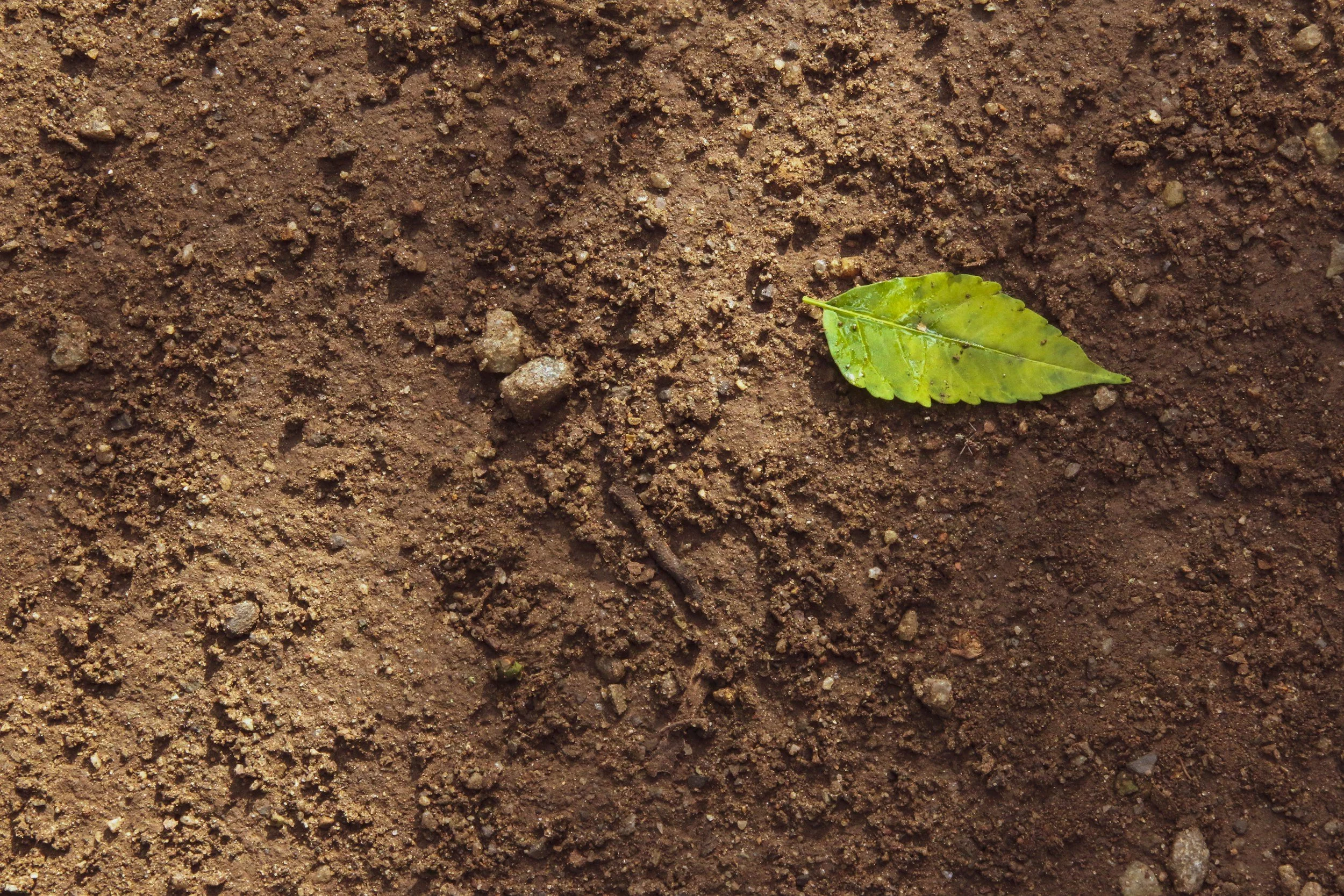
Soil isn’t just dirt. It’s a complex mix of particles, minerals, organic matter, and moisture. Different soils contain different sediment sizes and types—sands, silts, clays, or gravel—all of which affect how water moves underground. Some soils carry a heavier sediment load or have more corrosive elements. These factors dictate how aggressively a well screen must work to protect the system.
For example, sandy soils often contain larger particles that can damage pumps if they pass through poorly designed screens. Silty or clay soils present challenges due to their finer particles, which can clog screens or reduce flow rates. Gravelly soils might be less abrasive but require strong structural support to handle shifting sediments.
Professionals don’t guess when it comes to soil. Detailed geotechnical analysis reveals the exact composition and grain-size distribution around the well site. That data helps match screen features precisely to the soil’s quirks.
Slot Size and Shape Tailored to Sediment Size
The slot size acts as a gatekeeper, controlling the flow of sediments into the well. Selecting a slot size slightly smaller than the predominant sediment grain size keeps unwanted particles out without choking water flow. Suppose the slots are too large, sand and grit sneak in, causing abrasion and pump failure. If too small, the screen restricts water flow, increasing pressure demands and system stress.
Screen slot shapes also matter. Wire-wrapped screens offer precise, uniform slot widths that provide reliable filtration in many soil conditions. Slotted pipe screens typically feature rectangular or rounded slots that balance sediment control and flow. The shape influences how particles interact with the screen and how likely clogging becomes.
Custom designs might blend slot sizes or shapes along the screen length to handle varying sediment layers. Those details reflect expert knowledge of how soil layers shift and what sediments each layer contains.
Material Choices Depend on Soil Chemistry
Well screen materials must withstand physical wear and chemical attack from local soils and groundwater. Stainless steel is a popular choice due to corrosion resistance and mechanical strength, especially in harsh chemical environments or where abrasive sediments abound. It also tolerates higher pressures, making it ideal for deeper wells.
Plastic or PVC screens work well in less aggressive environments and offer lightweight, cost-effective options. However, they may lack the durability for highly abrasive or corrosive soils.
Some specialty coatings or finishes reduce biofilm buildup or resist scaling, extending screen life. Professionals evaluate water chemistry alongside soil characteristics to select materials that won’t degrade prematurely.
Screen Diameter and Length Customization
Well diameter varies with drilling methods and groundwater availability, which in turn influences screen design. Larger-diameter wells may require screens with higher flow capacity and structural support to withstand sediment pressure. Conversely, narrow wells demand slim, precisely engineered screens to maximize filtration within tight spaces.
Screen length also depends on soil layering. A well might pass through multiple soil strata with distinct sediment profiles. Custom screens can segment filtration zones along their length, matching slot size or shape to the sediment types encountered at different depths.
Installation techniques complement screen design. Proper placement with carefully sized gravel packs surrounding the screen supports the well structure and traps larger particles before they reach the screen. Installing the screen at the correct depth and orientation reduces the risk of sediment infiltration.
Innovative Designs for Complex Soil Conditions
Some wells encounter soil conditions that require advanced screen technologies. Dual-wall screens, for example, use an outer protective shell and inner filter layer to improve sediment control and strength. Wedge wire screens offer triangular slots that resist clogging better than traditional round or rectangular slots.
Perforated liners combined with filter fabrics serve as additional sediment barriers in highly silty or clayey soils, preventing fine particles from fouling the well.
Innovations in manufacturing also allow for precision laser-cut slots and custom fabrication that match exact soil profiles. Professionals leverage those options to design well screens that work smarter, not harder.
Maintenance Considerations Built Into Design
Custom well screen design doesn’t stop at installation. Designing for maintainability extends the operational life of wells. Screens with accessible segments, modular construction, or corrosion-resistant coatings reduce downtime and service costs.
Well maintenance professionals monitor sediment buildup and flow changes to recommend timely cleanings or repairs. The right screen design reduces sediment accumulation, making maintenance simpler and less frequent.
Economic Impact of Tailored Screens
Investing in a custom well screen upfront pays dividends by preventing costly repairs and premature pump replacements. Sand and grit infiltration can quickly wear down equipment, leading to emergency repairs and an interrupted water supply.
Professionally designed screens protect clients’ wells from these risks, delivering consistent water quality and pressure. Tailored designs optimize performance while balancing cost, avoiding expensive overengineering or underperforming products.
Environmental and Regulatory Compliance
Some regions require wells to meet water-quality standards that limit the intrusion of sediment and contaminants. Custom well screens help meet those standards by filtering sediments effectively and preventing contamination pathways.
Regulatory agencies might also mandate specific materials or design features in sensitive environments. Professionals stay current with regulations and design screens that meet compliance requirements without compromising functionality.
Partnering with Experts for Customized Solutions
Selecting and designing a well screen without professional help risks mismatches that cause system failures. Experts combine soil analysis, water chemistry, and well performance data to craft custom screening solutions.
Collaborating with professionals offers clients peace of mind, knowing their well system receives a screen designed for long-term reliability and efficiency. The outcome is a tailored approach that adapts to site-specific soil conditions and water demands.
Each well becomes a unique project, where science and craftsmanship meet underground.
The Science Behind Soil Testing for Screen Design
Geotechnical testing involves sampling soil at various depths and analyzing particle sizes and composition. Sediment grain-size distribution curves help identify the predominant particles and their proportions.
Screen designers use that data to specify slot sizes that filter out damaging sediments while accommodating necessary water volume. Soil mineralogy and chemical tests detect corrosive elements that influence material selection.
Without detailed soil science, well screens become shots in the dark—either too tight, choking flow, or too loose, allowing sand in. Precision soil testing guides informed decisions.
Challenges in Variable Soil Conditions
Many wells pass through layered soil profiles, each with different sediment types. A screen that works well for sandy layers might not hold up in silty zones below.
Custom designs incorporate segmented slot sizes or use composite screen types to address those layers. Flexible engineering tackles the soil’s quirks rather than forcing a uniform solution.
In shifting soils prone to movement or erosion, screens require additional strength or protective features. Engineers plan for those stresses in their designs to avoid collapse or damage.
The Role of Gravel Packs and Annular Space
Surrounding the screen with properly sized gravel packs acts as a secondary filter, trapping larger particles before they reach the screen surface. The gravel must be carefully selected to prevent migration into the screen and to maintain permeability.
The annular space between the borehole and screen holds the gravel pack and contributes to filtration effectiveness. Custom well screen design aligns with gravel-pack engineering to create a sediment-barrier system rather than a single component.
Final Thoughts on Custom Well Screens
Wells don’t all wear the same shoes. Soil conditions vary wildly, and a screen designed without those differences in mind risks premature failure and frustrated users.
Custom well screen designs reflect careful science, engineering savvy, and practical experience. They combine soil testing, material science, innovative design, and maintenance considerations to protect well systems and maximize water quality.
The right screen helps wells work smarter underground—blocking sand and grit, preserving pumps, and keeping water flowing steadily for years to come.
Investing in tailored screening solutions turns a simple pipe into a durable guardian of clean water, tailored precisely to the soil beneath your feet.
Pump Repair Services provides residential and commercial well pump repair and transfer pump repair services in Apopka and the surrounding areas. Our team offers prompt and dependable well pump services, the clients can rely on. Expect excellent warranties and top-notch solutions when you choose to work with us. We offer 24-hour emergency service. Call us to learn more.
