Monitoring Water Table Changes for Accurate Drawdown Correction
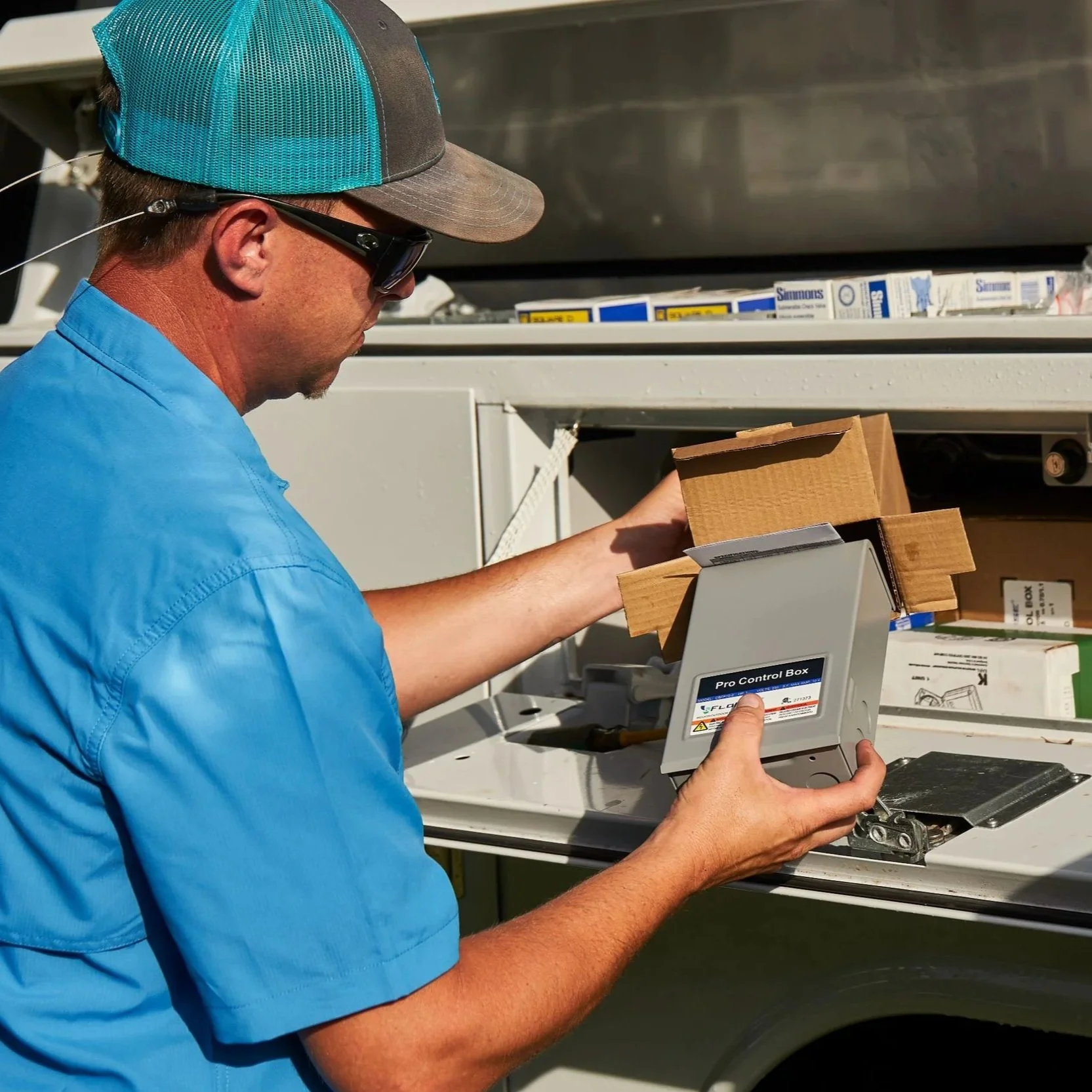
For those of us in professional well services, accurate drawdown correction relies on knowing exactly what the water table is up to.
Understanding what's going on underground can feel a bit like detective work—only instead of fingerprints and footprints, you're tracking moisture levels and aquifer pressure. For those of us in professional well services, accurate drawdown correction relies on knowing exactly what the water table is up to. That's not a passive thing either. It's a moving target, constantly shifting with weather patterns, seasonal cycles, and good old-fashioned human usage.
Water table fluctuations may not spark a riveting conversation at a dinner party. Still, in the field, they're among the biggest influencers of performance, efficiency, and reliability in wells. Properly interpreting these changes keeps systems operating smoothly and avoids some very soggy—or very dry—surprises.
Why Drawdown Correction Needs More Than Guesswork
Drawdown correction might sound like a dry topic (pun intended), but it's a cornerstone of reliable groundwater management. When a well pump starts pulling water, the water level in the well begins to drop. What is the difference between the static water level and the pumping water level? That's drawdown. And correcting for it accurately is critical to avoid pump damage, energy waste, and inefficiency.
Relying on assumptions or historical averages for water table levels turns drawdown correction into a gamble. Sure, you might hit the jackpot now and then. But over time, inaccurate adjustments lead to bigger problems, especially when the aquifer behaves like it's training for a marathon—up and down, back and forth, refusing to stay put.
Water tables can shift several feet up or down with seasonal recharge or drought. Without real-time or recent monitoring, there's a good chance the draw down correction applied last quarter is as useful as last year's milk. Not only does this throw off performance calculations, but it also leads to over-pumping, cavitation, or a very expensive game of "why is the pump squealing again?"
Watch Those Seasonal Mood Swings
Think of the water table as the moody teenager of the subsurface world. It sulks during dry spells, rebounds after a good rain, and refuses to tell anyone what it has in store next. Seasonal changes bring some of the most predictable fluctuations, though "predictable" might be stretching it. Spring snowmelt or autumn rains can send groundwater levels rising, while a scorching summer or a freezing winter can send them into a deep slump.
Ignoring these shifts is like setting your thermostat in July and expecting it to work fine all winter. Drawdown correction needs to match current conditions, not just a snapshot from months ago. If the water level has climbed back up after spring recharge, you could be overcorrecting and running your pump harder than necessary. On the flip side, if the water table has dropped post-summer, you might be underestimating drawdown and heading straight for a dry run—literally.
Technology to the Rescue (No Capes Involved)
Modern water level monitoring tools have come a long way from the old string-and-bucket days. Submersible pressure transducers, data loggers, and telemetry systems now give professionals the power to monitor water tables with high precision, and without needing to play hide-and-seek with the well cap every week.
Real-time data offers a goldmine for drawdown correction. It allows for dynamic adjustment based on actual aquifer behavior. No more over-pumping or underperforming because the last measurement was six months and a thunderstorm ago. With accurate monitoring, drawdown correction becomes a proactive part of system management rather than a reactive chore when something breaks.
Telemetric systems also add a layer of convenience and reliability. Rather than sending someone out to manually check levels, data can be transmitted remotely, reducing labor and the margin of error. Plus, it keeps boots dry and snakes unbothered—a win-win.
Data-Driven Decisions Are Less Likely to Backfire
An inaccurate drawdown correction has a domino effect. Start with a bad assumption about water table depth, and suddenly the entire performance profile of the well is out of sync. Pumps overheat, energy costs spike, water delivery falters, and the lifespan of expensive equipment takes a hit.
On the flip side, using accurate, up-to-date water-level data gives professionals the confidence to make adjustments that accurately reflect the reality underground. It's the difference between working with your eyes open and stumbling around blindfolded while holding a wrench.
When water table trends are tracked over time, patterns emerge. Is the aquifer consistently dropping each summer? Is recovery taking longer than it used to? Those insights shape decisions about pump sizing, schedules, maintenance, and even broader resource planning. It's not just about today's drawdown—it's about understanding the whole arc of the aquifer's behavior.
The Role of Site-Specific Variables
One size does not fit all when it comes to groundwater. Local geology, land use, recharge rates, and even nearby pumping activity all influence how the water table moves. That's why monitoring has to happen at the actual site of the well—not halfway across the county or based on someone else's data from ten years ago.
Sandy soils might respond quickly to recharge, while clay-heavy areas could lag. Agricultural areas with irrigation draw can behave very differently from residential zones. Urban sprawl changes runoff patterns. Even nearby construction can throw a wrench in the aquifer's rhythm.
Every site has its quirks, and those quirks deserve respect when applying drawdown correction.
Monitoring allows for tailored solutions rather than cookie-cutter estimates. That means better protection for the pump, smarter energy use, and fewer emergency calls when a well suddenly sputters out at the worst possible time.
When Guessing Goes Wrong
Picture this: A well technician shows up to replace a burned-out pump. After digging into the situation, it turns out the drawdown had been significantly undercorrected. The water level dropped faster than expected during peak use, the pump ran dry, and voila—goodbye motor, hello repair bill.
Or maybe the problem isn't immediate. Maybe it's a gradual decline in efficiency because the pump is working too hard against friction losses from the deeper draw. Energy bills creep up. Flow rates decline. The client's getting less water at a higher cost, and no one's quite sure why.
These headaches are all too familiar in the world of professional well services—and they're almost always preventable with proper monitoring. Drawdown correction based on actual water table changes doesn't just solve problems; it helps avoid them in the first place.
An Ongoing Relationship, Not a One-Time Chat
Water tables don't send out meeting invites or progress reports. Staying ahead of drawdown means keeping an eye on changes over time. It's a relationship that needs attention and a bit of care.
Monitoring shouldn't be a once-a-year exercise, tucked between pump inspections and filter changes. Consistent data collection makes the drawdown correction a living part of the service model. It builds a long-term view of how the aquifer behaves, making it easier to spot when things are starting to go sideways.
Professionals who build monitoring into their maintenance strategy offer something more valuable than just a fix-the-problem approach. They offer prevention. They offer stability. And let's face it—they avoid the awkward conversation about why the brand-new pump sounds like it's chewing gravel.
Accuracy Matters (And Clients Notice)
At the end of the day, clients don't want surprises. They want systems that work reliably, efficiently, and without drama. An accurate drawdown correction based on ongoing monitoring isn't just good technical practice—it's a service value clients can feel.
Pumps that last longer, bills that stay reasonable, and water that flows when needed all tie back to one thing: treating water table fluctuations as part of the equation, not a background variable. Monitoring might not be glamorous, but it's the secret sauce that keeps everything else working as it should.
The aquifer might not send thank-you notes, but a pump that runs quietly and efficiently? That's practically applause.
Pump Repair Services has years of experience providing reliable irrigation pump repair and centrifugal pump repair services in Apopka and the surrounding areas. Our extensive industry knowledge and experience allow us to handle any pump-related issues efficiently. 24-hour emergency services available. Call us to book a service and get outstanding service and customer experience.
