
Material Choices for Durable Drop Pipe Installations
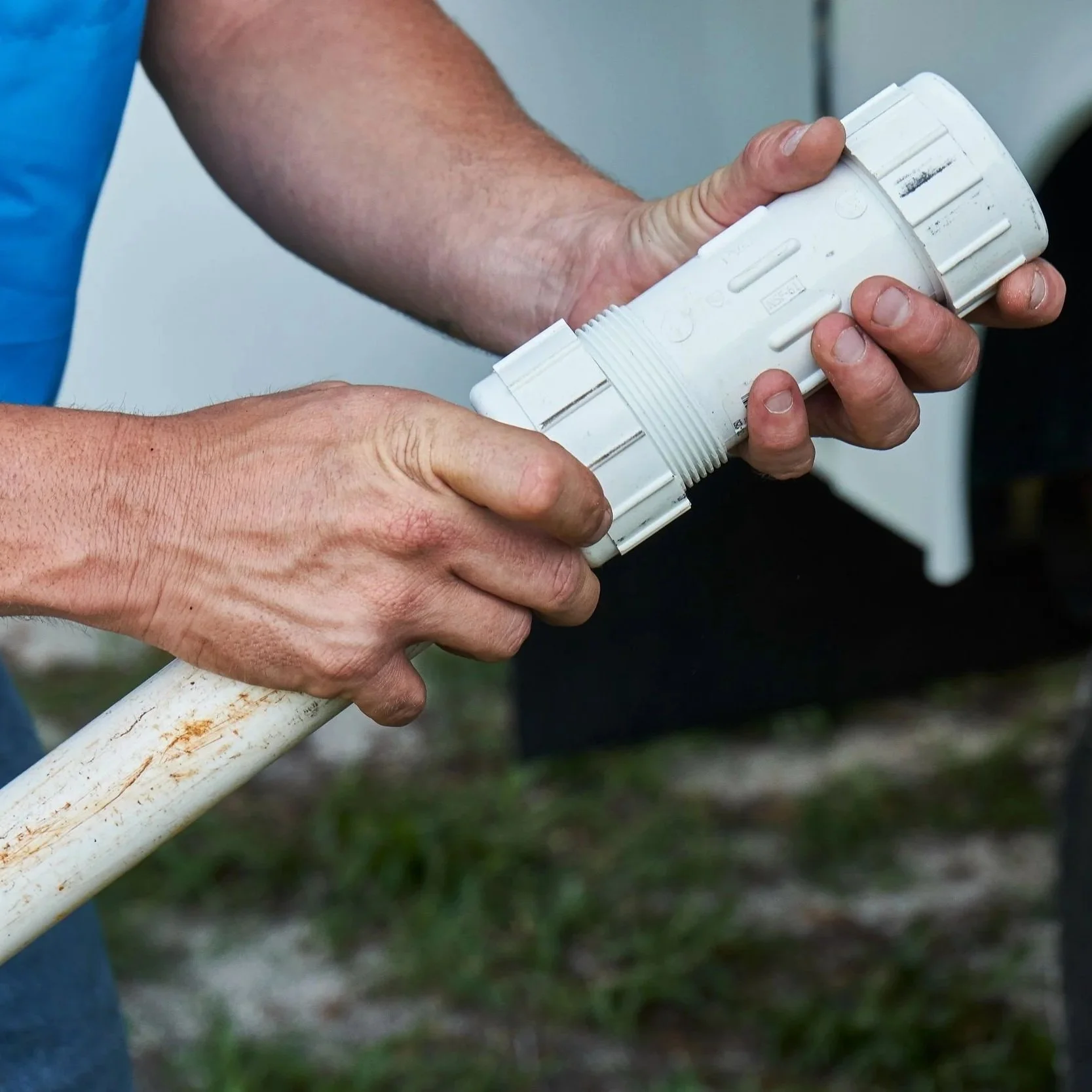
Selecting the right materials for drop pipe installations influences system longevity, performance, and overall peace of mind.
Drop pipes play a crucial role in well systems, quietly ferrying water from underground sources to the surface with reliability that often goes unnoticed—until something fails. Selecting the right materials for drop pipe installations influences system longevity, performance, and overall peace of mind. Professionals working in well services understand how material choices affect the durability and function of drop pipes, helping clients avoid surprises that come with corrosion, leaks, or structural weaknesses.
Polyvinyl Chloride (PVC) Pipes Combine Affordability and Flexibility
PVC ranks among the most popular materials for drop pipes due to its balance of cost, ease of handling, and corrosion resistance. Lightweight yet sturdy, PVC pipes install efficiently without heavy equipment or complicated procedures.
The plastic nature of PVC resists rust, an advantage over metals that often succumb to waterborne oxidation. Its smooth interior surface reduces friction, supporting steady water flow. However, temperature extremes require attention, as PVC can become brittle in cold weather or soften under prolonged exposure to heat.
Professionals often recommend PVC for residential wells or installations where chemical corrosion poses a higher risk than physical damage. The material’s flexibility accommodates slight shifts in underground soil or thermal expansion without cracking.
Steel Pipes Deliver Strength and Longevity for Demanding Conditions
Steel drop pipes offer unmatched strength, standing up to pressures and physical impacts that might challenge plastic counterparts. Well systems in industrial or agricultural settings often require steel’s ruggedness to withstand harsh environments and deeper installations.
Corrosion-resistant coatings or galvanized finishes extend the lifespan of steel pipes by protecting against rust. Still, periodic inspections and maintenance help detect early signs of corrosion or joint wear before leaks develop.
The heavier weight of steel requires specialized equipment and labor for installation or replacement, factors professionals consider during project planning. Steel drop pipes shine in well systems where durability and pressure resistance outweigh cost and installation complexity.
Stainless Steel Pipes Blend Strength with Superior Corrosion Resistance
Stainless steel combines the toughness of traditional steel with enhanced corrosion resistance thanks to chromium and other alloying elements. This material stands up well in aggressive water conditions that might damage ordinary steel or PVC.
Though pricier than other options, stainless steel drop pipes often prove cost-effective over time by minimizing maintenance and replacement needs. Their smooth surface also limits scale buildup, supporting consistent water quality and pressure.
Technicians favor stainless steel for commercial wells or locations where water chemistry accelerates corrosion. Installation demands skill and careful handling to preserve protective finishes, but rewards users with longevity and reliable performance.
Copper Pipes Add a Classic Touch but Face Practical Limitations
Copper drop pipes offer excellent corrosion and bacterial growth resistance, making them appealing for potable water applications. Their antimicrobial properties can improve water quality.
However, copper’s higher cost and susceptibility to theft have limited its popularity in drop pipe installations. The material also reacts with acidic or alkaline water, potentially leading to pinhole leaks over time.
Technicians typically reserve copper pipes for specialty cases or retrofit projects where existing systems already use copper. Careful water-chemistry analysis guides decisions on copper suitability to avoid premature failure.
Composite Pipes Introduce Innovation and Versatility
Newer composite materials combine polymers and reinforcing fibers to create drop pipes that blend flexibility, strength, and corrosion resistance. These pipes reduce weight compared to metal pipes while offering improved durability compared to standard plastics.
Composite pipes withstand temperature fluctuations well and resist chemical attack, making them suitable for a range of groundwater conditions. Their installation may require specific fittings or techniques, but professional experience smooths the process.
Well service providers are increasingly exploring composite pipes as clients seek modern, long-lasting solutions that reduce maintenance and downtime.
The Role of Pipe Diameter and Wall Thickness
Material choice ties closely to the dimensions of drop pipes. Larger diameter pipes carry higher volumes of water but add weight and complexity. Thicker pipe walls improve durability and resist external damage or internal pressure fluctuations.
Professionals carefully balance diameter and wall thickness to optimize performance while controlling costs and installation challenges. Customizing these parameters aligns drop pipe design with well yield, pump capacity, and site conditions.
Joint Types Influence Installation Quality and Longevity
Drop pipe materials come with different jointing methods that affect system integrity. Solvent-welded PVC joints provide watertight seals when executed correctly. Threaded steel connections allow disassembly for repairs but require careful torque to avoid leaks.
Flanged or welded stainless steel joints offer strong bonds but require skilled labor. Composite pipes may use proprietary fittings to maintain seal and flexibility.
Well technicians’ expertise in selecting and installing appropriate joints prevents common failure points that cause leaks or breaks, reinforcing the overall system's durability.
Chemical Resistance Matches Water Quality Needs
Water chemistry varies widely depending on geological location. High acidity, dissolved minerals, or organic content can attack certain pipe materials, accelerating degradation.
Material selection must factor in chemical compatibility to maintain pipe strength and water purity. PVC and composite pipes resist many chemicals but struggle with solvents or oils. Steel types may corrode faster in acidic water unless properly coated.
Experienced well service professionals analyze water test results to recommend drop pipe materials aligned with local water quality, helping clients avoid costly material mismatches.
Thermal Expansion Considerations in Material Choice
Temperature changes cause pipe materials to expand or contract. PVC and composite pipes exhibit higher thermal expansion rates than metals, which can loosen fittings or stress joints over time.
Accounting for thermal movement during installation through expansion joints or flexible couplings prevents premature damage. Metal pipes offer greater dimensional stability but may transmit temperature fluctuations more directly.
Professionals balance thermal properties with other material advantages to design resilient drop pipe systems adapted to climate and site conditions.
Ease of Repair and Replacement Affects Long-Term Costs
Some materials simplify future repairs by allowing quick disassembly or replacement of sections. PVC’s solvent-welded joints facilitate partial pipe swaps without dismantling the entire system. Threaded metal pipes enable convenient section removal but require corrosion-free threads.
Composite pipe systems may feature modular fittings designed for rapid replacement. Stainless steel’s welded joints, while strong, may require cutting and re-welding during repairs, adding labor and cost.
Well service providers weigh ease of maintenance when recommending materials, aiming to reduce downtime and disruption for clients.
Environmental Impact and Sustainability Factors
Increasingly, clients consider the environmental footprint of drop pipe materials. PVC production involves chemicals that raise environmental concerns, though its long service life partially offsets some of the impact. Steel and stainless steel production consume significant energy but result in highly recyclable products.
Composite pipes often use less energy in manufacturing but may present recycling challenges. Professionals discuss these factors with clients interested in greener choices, balancing sustainability with durability and performance.
Choosing Professionals for Drop Pipe Installation
Proper installation of drop pipes demands specialized knowledge and experience. Material selection is only part of the equation; site assessment, well specifications, and adherence to safety standards shape successful outcomes.
Skilled technicians use precision tools and industry best practices to securely install drop pipes and align them with pumps and controls. Professional expertise minimizes leaks, structural failures, and performance issues, maximizing the benefits of chosen materials.
Clients benefit from hiring well service providers who combine technical skill with material knowledge, translating to reliable water delivery and fewer headaches.
Signs It May Be Time for Drop Pipe Replacement
Drop pipes are subject to wear from corrosion, physical damage, and age. Symptoms such as reduced water pressure, discoloration, unusual noises, or visible leaks indicate the need for inspection.
Technicians assess pipe condition through visual inspections, pressure tests, and, in some cases, video inspection tools. Early identification of problems enables targeted drop pipe replacement, preserving well system integrity.
Choosing durable materials during replacement boosts future reliability and reduces emergency repairs.
The Value of Tailored Recommendations
Each well system operates under unique conditions that affect material performance. Professionals tailor material recommendations to specific client needs, considering budget, water quality, climate, and installation challenges.
Customized advice avoids generic “one-size-fits-all” solutions, promoting long-term satisfaction and system health. Clients gain confidence knowing material choices align with their well’s demands and lifestyle.
Material quality influences drop pipe success, but proper installation and ongoing care hold equal weight. Together, they create water systems that serve households and businesses dependably for years.
Balancing cost with durability requires informed decisions, and experienced well technicians guide clients toward the best fit. Durable drop pipe installations stand as the backbone of reliable well water, quietly powering daily routines with no fuss or fanfare.
Pump Repair Services provides residential and commercial well pump repair and transfer pump repair services in Apopka and the surrounding areas. Our team offers prompt and dependable well pump services, the clients can rely on. Expect excellent warranties and top-notch solutions when you choose to work with us. We offer 24-hour emergency service. Call us to learn more.
